Gov’t Recognizes Protests, Pledges Economic Reforms
TEHRAN (Iran News) Speaking at a press briefing, Mohajerani said, “We see and hear both protests and crises, and we recognize them. The President has instructed the Ministry of Interior to establish mechanisms for dialogue. We consider this a chance to repair social structures and respond to the legitimate concerns of citizens.” She emphasized that Iranians are patient but noted that public demonstrations signal serious underlying issues. “When voices are raised, it reflects an important concern that needs attention,” she added.
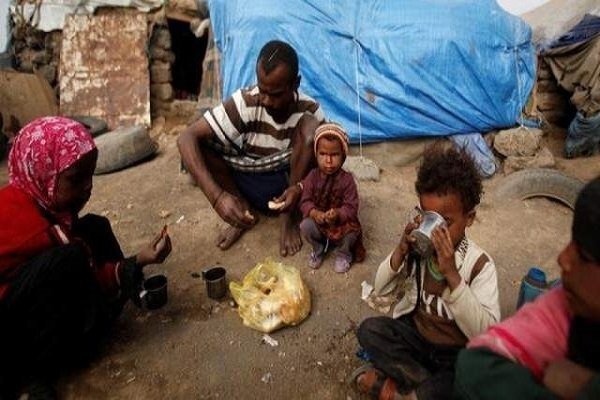
The government spokesperson stressed that the protests are a natural reaction to rising living costs and economic difficulties. She underscored the constitutional right to peaceful assembly and said that the government is committed to facilitating dialogue and addressing citizens’ concerns. “We view this as an opportunity to strengthen the social body and reaffirm citizens’ rights,” she said.
Mohajerani provided an overview of the government’s response to economic challenges, highlighting a 20-point plan discussed in a recent meeting with President Ebrahim Raisi at the Central Bank. The plan is aimed at improving public welfare, stabilizing the economy, and ensuring the proper distribution of subsidies. “The current situation is not ideal, and we acknowledge it. We have high inflation, over 50 percent, and the government is acutely aware of its effects on purchasing power,” she said. “It is natural that such high inflation provokes public concern.”
She explained that while the government has invested billions of dollars in supporting citizens’ livelihoods, subsidies have not always reached the most critical areas. Measures in the 2026 budget are designed to ensure that financial support reaches the end users effectively. “We are working to connect subsidies directly to the points where they are needed most, and we are pursuing strategies to improve the overall economic situation,” Mohajerani said.
Addressing budgetary concerns, Mohajerani emphasized the need to prevent a deficit and control borrowing from both banks and the Central Bank, as such measures could destabilize financial markets. She said that structured allocations in the upcoming budget are intended to manage a projected deficit of 500 trillion rials. “We aim to reduce fiscal pressure and control inflation to minimize the impact on citizens,” she explained.
On the issue of employment, Mohajerani highlighted the government’s approach to the law on converting contractual employees to permanent positions. She stated that the law goes beyond the scope of the annual budget and requires coordination with Parliament. “Decisions on this matter will be made jointly by the government and the legislature,” she said, indicating that legal and regulatory steps are being prepared to implement the measure.
Education was also a priority in Mohajerani’s briefing. She noted that the government is focused on strengthening teachers’ salaries, school milk programs, support for education in underserved areas, student transportation, and the implementation of a teacher ranking system. “These measures are essential for improving educational quality and ensuring that the education system meets the needs of all students,” she said.
Regarding inflation and living standards, Mohajerani stressed that the government’s goal is to preserve purchasing power. She explained that past increases in wages have not kept pace with inflation, and the administration is committed to preventing further erosion of real income. Policies will include budget restructuring, targeted subsidies, and the use of ration cards to secure essential goods. “Our primary objective is to protect citizens’ livelihoods and ensure that economic pressure is not passed on to the general population,” she said. “Economic Reforms”
Mohajerani also addressed the role of the Central Bank in stabilizing the economy. She stressed that the bank’s mission is to restore monetary policies, control inflation, and ensure transparency in financial operations. Additionally, she confirmed that strategic reserves have been prepared for periods of high consumption, including Ramadan and other religious holidays, to maintain stability in the supply of essential goods. “Economic Reforms”
Other topics covered included the government’s monitoring of an Iranian soldier present in Russia during the Ukraine conflict and the resignation of political deputy Senaei. Mohajerani stated that resignations do not necessarily indicate internal conflict and that individuals leaving government positions may continue to support the administration. “Economic Reforms”
In conclusion, Mohajerani reiterated the government’s commitment to responding to citizens’ concerns, improving economic conditions, and maintaining social stability. She said, “We acknowledge the protests, recognize citizens’ rights, and are working to implement policies that will reduce economic pressure, improve living standards, and strengthen the social fabric of our country.”
- source : IRAN NEWS POLITICAL DESK