Khartoum and Washington: Worlds Apart
TEHRAN (Iran News) According to media reports, the goal of this ceasefire is to create space for sending humanitarian aid and to begin sustainable peace negotiations based on a roadmap prepared by the Quadrilateral Committee. Trump personally committed to intervening in this crisis after meeting with the Saudi Crown Prince and described it as “the most violent place on Earth.”
Alongside these diplomatic efforts, the Trump administration expanded travel restrictions to the United States in December 2025. This national security decision is not directly related to the peace objectives in Sudan. According to this order, Sudan remains on the list of countries whose citizens face complete entry restrictions to the U.S.
South Sudan has been added to the list of countries under “full restrictions.” The stated reasons include a high rate of visa violations (e.g., 26.09% for student visas) and the government’s lack of cooperation in repatriating deportable citizens from the U.S.
These restrictions are generally imposed due to security concerns about the ability to “screen” travelers from countries with low stability or unreliable identification documents. To understand the necessity of these peace efforts, it is useful to look at the depth of the disaster:
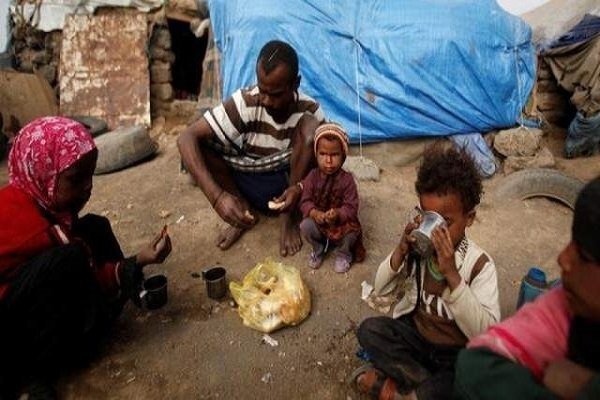
This civil war has been ongoing since April 2023 between the Sudanese army, led by Abdel Fattah al-Burhan, and the Rapid Support Forces (RSF), led by Mohamed Hamdan Dagalo (“Hemedti”). International organizations consider Sudan the largest displacement and humanitarian crisis in the world.
Millions of people have been displaced, and the hunger crisis is spreading catastrophically. Despite these efforts, experts see major obstacles to sustainable peace. Reports indicate Israeli regime support for the RSF, led by the UAE, and support for the Sudanese army by Egypt and Turkey. The success of the U.S. plan may require pressure on the UAE to stop its support, which is extremely complex behind the scenes due to political reasons and the demands of the Israeli regime.
Historical patterns of Sudanese leaders show that they often seek a ceasefire after defeat and think about continuing the war to consolidate their vision in society after victory. According to reports of the dire conditions of the people, even if a ceasefire is established, there is a serious lack of funding to save lives and stabilize the situation.
Overall, it seems that the Trump administration, by leveraging its diplomatic influence and cooperating with Arab allies, is apparently seeking to play an effective role in stopping the war in Sudan, accessing potential economic resources, and preventing Sudan from joining the “Axis of Resistance.” However, the success of these efforts depends on many complex internal and regional factors.
- source : IRAN NEWS