Iran Says Expanding Exports to Cuba Is Achievable in the Short Term
TEHRAN (Iran News) According to Iran Chamber Online, Samad Hassanzadeh, president of the Iran Chamber of Commerce, Industries, Mines, and Agriculture, said the delegation’s visit to Havana and meetings with senior Cuban officials during the Havana International Fair 2025 provided a clearer picture of Cuba’s economic conditions, needs, and capacities—allowing Iran to draft a realistic roadmap for trade relations.
Hassanzadeh said Cuban officials—including the president, the ministers of industry, domestic trade, foreign trade and investment, and the head of the Cuban Chamber of Commerce—expressed a positive view of the quality and diversity of Iranian products. He said there is growing demand in Cuba for Iranian brands, particularly in food industries, clothing, footwear, and consumer goods such as tires and batteries.
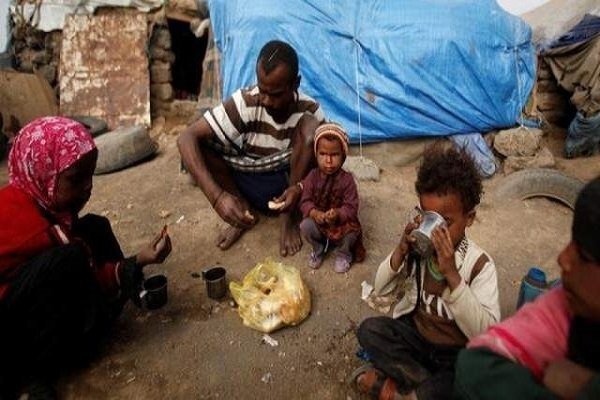
He noted that long-standing sanctions have left significant marks on Cuba’s urban landscape, leading to widespread deterioration and the shutdown of many factories. He said Cuba needs a national reconstruction campaign focused on urban renewal, industrial modernization, and tourism infrastructure, making Iran’s technical and engineering services a promising sector for cooperation.
Cuba was once the world’s leading sugar exporter, he added, but its sugarcane agro-industry is now largely inactive.
Hassanzadeh emphasized that although both Iran and Cuba are under sanctions, their impacts on Cuba have been “far more severe” due to the long duration of economic restrictions. He said this contrast demonstrates Iran’s relatively more effective management of sanctions and public welfare challenges.
Hassanzadeh said Cuban officials welcomed the presence of reputable Iranian companies in their market. It was agreed that an Iranian company would directly handle marketing for Iranian goods in Cuba.
He also referenced Iran’s request for mechanisms to reduce investment risks and ensure capital repatriation. According to Hassanzadeh, Cuba’s Minister of Foreign Trade said the country’s doors are “fully open” to Iranian businesses and that the Cuban government would minimize investment risks for Iranian investors.
One major proposal came from Cuba’s foreign trade minister, who suggested launching a sugarcane agro-industry project with Iranian investment. Under the plan, a sugar production plant and surrounding sugarcane farms would be developed—either as a joint venture or through direct Iranian investment.
Hassanzadeh said it was agreed that Cuba would provide Iran with a list of dormant industries and factories. After technical review, Iran would identify projects suitable for investment, rehabilitation, or reconstruction.
Cuba’s president also committed to sending a list of national needs and priority sectors to Iran through the Iranian ambassador. With this positive stance, Hassanzadeh said, expanding Iranian exports to Cuba “is achievable even in the short term.”
He added that the Iran Chamber allocated funds to purchase more than eight tons of rice for victims of recent hurricanes in eastern Cuba. Additionally, with the support of the Chamber and cooperation of an Iranian shoe manufacturer present at the Havana fair, 2,000 pairs of shoes will be donated to Cubans in need.
Hassanzadeh expressed hope that, with active economic diplomacy and support from both governments, Iran–Cuba economic relations will expand further. He said strengthening trade between Iran and Cuba could serve as a model for economic cooperation with other countries facing sanctions.
- source : IRAN NEWS ECONOMIC DESK