Hunger Riot: an “Overthrow Slogan”
TEHRAN (Iran News) Any change must take place within the framework of the laws and through legal channels. The approach of the Islamic Republic of Iran has always emphasized reform and improvement from within the structure.
However, the “opponents of the Supreme Leader (Velayat-e Faqih)” (the reformist or moderate factions inside the system) have for some time felt that their destructive role in issues such as the JCPOA or the snapback mechanism has been exposed, and they no longer envision a political future for themselves within the existing framework and inside the system. They define the path to salvation as turning toward the discourse of, or forming alliances with, “overthrowist” currents (outside the system) by proposing the incitement of the people against the system. They have lost their hope for change from within, in a way that aligns with their own temperament. A feeling of despair about the future and bearing costs (for example, exposure through legal action taken against them) without having a clear outlook can increase the inclination toward more radical approaches—something that is, of course, a well-known pattern in political science.
The duality between being “opposed to the Supreme Leader” and “overthrow” has a very ambiguous boundary between the two in practice. Many critical currents within the system accept the foundations of the system (the Islamic Republic centered on the Guardianship of the Jurist), but oppose specific policies or the ruling individual. Moving toward overthrow for them means negating their own identity and all their past achievements, and it entails extremely high risk and total destruction.
Existing political parties and currents, even if they are far from power, usually have structural interests (economic, bureaucratic, social) in the continuation of the system, and resorting to an overthrow stance completely destroys these interests. This group believes that overthrow is not a slogan; it is a high-risk strategy with an unknown ending. Many prefer to remain on the margins of the system’s structure rather than fall into the arms of expatriate alternatives or armed groups that may have no affinity with them at all.
The possibility of such an alliance is closely monitored by security institutions and is not easily achievable.
Although existing evidence shows that some of them are sitting on the branch and sawing off its base beneath themselves, and this very method has pushed the intra-party current toward a discourse of fragmentation. In reality, with the treacherous events that have occurred, part of these currents may be completely removed from the political scene or turned into small, passive groups. At the same time, they may try to redefine their positions—for example, aligning their criticisms more closely with the system’s discourse, or even resorting to self-denial and withdrawal from the political scene, choosing silence until conditions change in their favor. In the second scenario of fragmentation, it is possible that part of the social base and the youth of these currents, becoming disappointed with party leadership, may themselves be drawn toward more radical protests; but this does not necessarily mean an organized alliance with overthrowists.
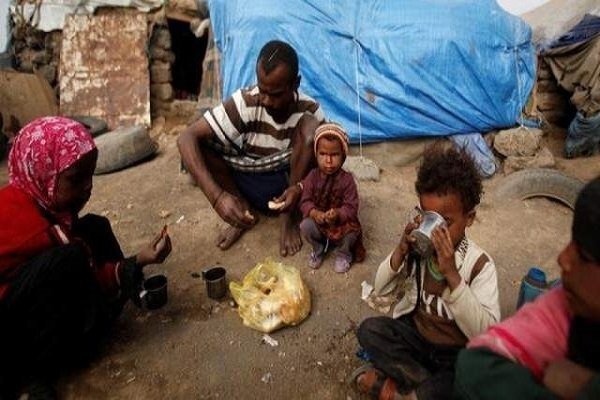
However, wishing for, hoping for, promoting, and perhaps even creating motivation for instigating hunger riots is part of their strategy, through which they seek to unite the front of opponents against the leadership and the very principle of the Guardianship of the Jurist.
All measures to neutralize this strategy involve ensuring the necessities of life for the lower economic deciles, accompanied by public awareness-raising. What is seen on the scene of activities by some members of parliament is that they are trying to take the lead in these measures through the instrument of the Seventh Development Plan Law.
- author : Hamid Reza Naghashian
- source : IRAN NEWS